We use a toothbrush to remove plaque, an invisible bacterial biofilm, from the mouth. However, if the brush itself becomes contaminated, it cannot effectively perform this function and changing toothbrush bemes necessary. Changing your toothbrush after three to four months is a simple yet vital step in maintaining optimal oral health. Some toothbrushes come with color indicators on the bristles that fade over time, signaling when it’s time for a replacement.
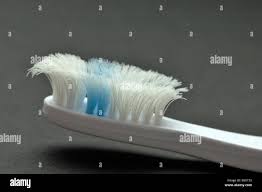
Studies have shown that after 3-4 months use, a toothbrush reaches the end of its useful life and becomes less effective at cleaning tooth surfaces. With regular use, the bristles wear down, becoming more susceptible to microbial growth, which can lead to gum disease, often manifested by bleeding gums. Using a toothbrush beyond its recommended lifespan may result in bad breath, as a new toothbrush removes more dental plaque than one with worn-out bristles. After each use, rinse the toothbrush thoroughly with tap water and allow it to dry in open air. Avoid storing it in a closed container, as this encourages bacterial growth and spread.
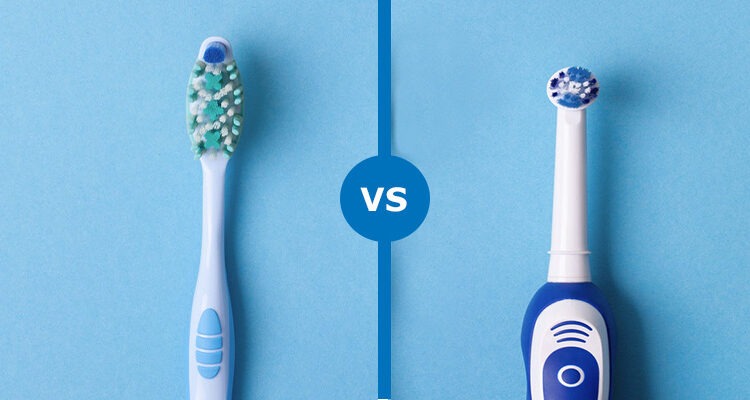
Children’s toothbrushes often wear out faster due to more vigorous brushing habits and should be replaced more frequently. The bristles on electric toothbrush heads also wear out and should be replaced within the same timeframe as manual toothbrushes.
On time, replacement of toothbrush ensures effective cleaning, reduces bacterial risks, and prevents potential oral health issues. Make it a habit to replace your toothbrush regularly to enjoy a healthier and brighter smile.
Read our full disclaimer.